Official Transition of Chair of the SSAR Support Platform from the Kingdom of the Netherlands to the Swiss Confederation
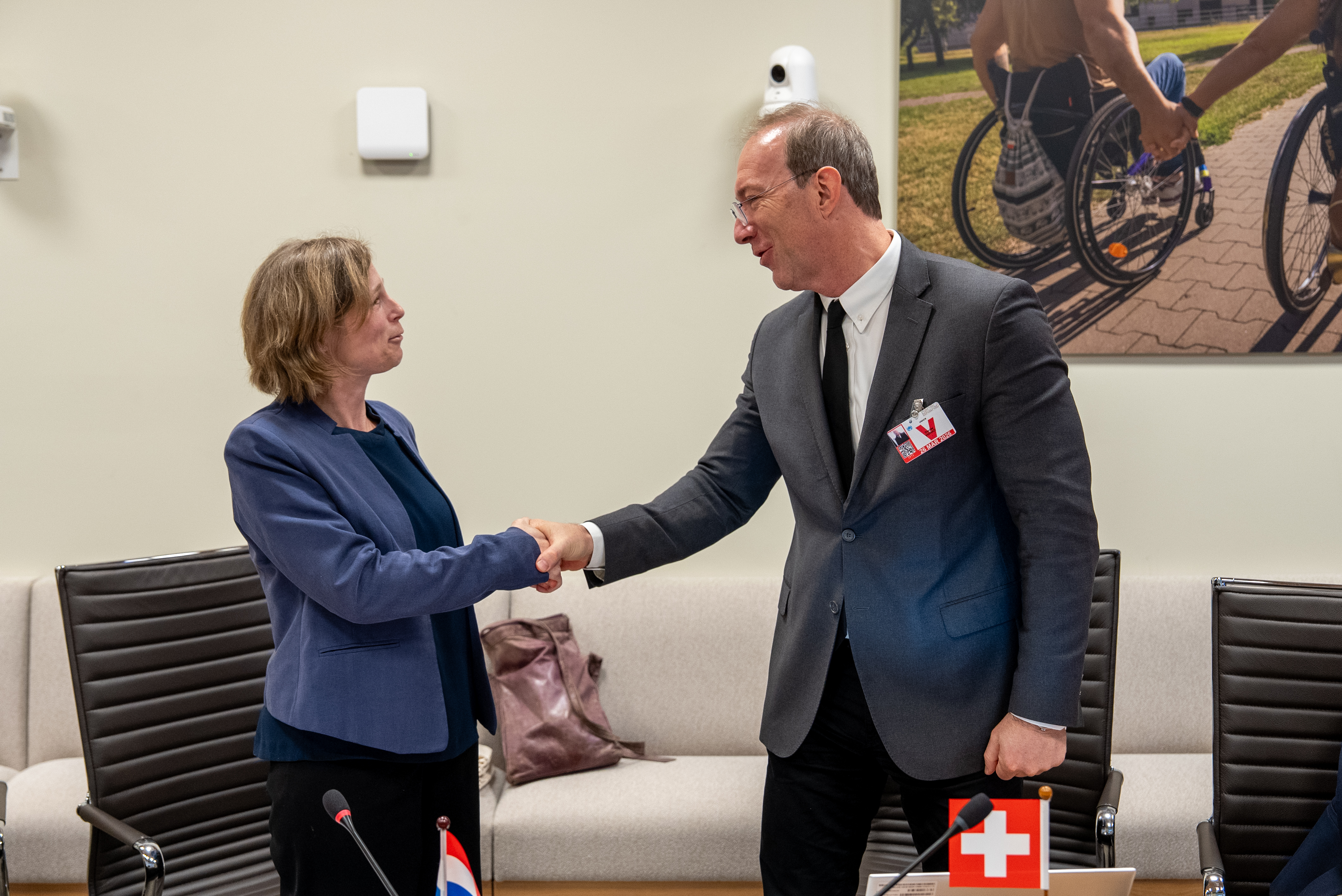
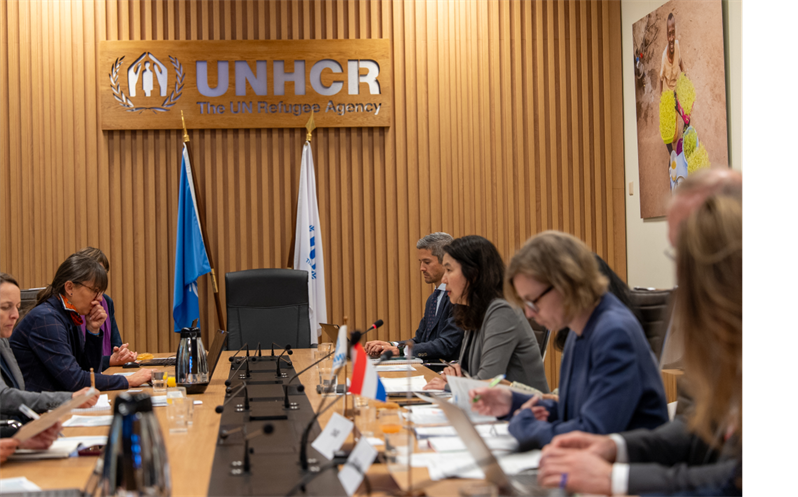
On 26 March 2026, the Solutions Strategy for Afghan Refugees (SSAR) Support Platform convened a hybrid meeting of the Global Core Group in Geneva, marking a significant milestone with the official transition of the Chair from the Kingdom of the Netherlands to the Swiss Confederation.
The meeting introduced the Route-Based Approach – a comprehensive framework to address mixed and onward movements of Afghan refugees and asylum seekers along the South-West Asia route – with presentations from UNHCR Assistant High Commissioner for Protection Ruvendrini Menikdiwela, IOM Deputy Regional Director for Asia Dyane Epstein, and UN Deputy Special Representative of the Secretary-General for Afghanistan Indrika Ratwatte. Members heard presentations on two of the six pillars: safe and regular pathways, and return and reintegration. Across all interventions, members expressed unanimous support for advancing the Route-Based Approach within the SSAR framework, with the platform recognized as providing ideal architecture to operationalize the approach through its whole-of-journey and whole-of-society principles.
The Netherlands, as outgoing Chair, reflected on key achievements including the re-activation of Local Core Groups in Iran and Afghanistan, improved regional coordination and dialogue through field missions, and enhanced data collection.
As incoming Chair, Ambassador Arno Wicki of Switzerland outlined five priorities for 2026: strengthening coordination and responsibility-sharing; deepening engagement with countries of origin, asylum, transit and return; maintaining visibility for Afghan displacement amid competing global crises; operationalizing the Route-Based Approach; and enhancing regional cooperation.
The SSAR remains the primary regional framework for cross-border engagement and assistance to displaced Afghans in the two major hosting countries as well as Afghanistan.